Altitude Sickness in Qinghai: How to Prepare
Xining sits at 2,260 m and Qinghai Lake at 3,196 m. Here is how to prevent and manage altitude sickness on a Qinghai and Gansu tour.
Altitude is the single thing that surprises our Malaysian guests most. It is not dangerous for the vast majority of travellers, but it deserves respect and a little planning. Here is what actually happens and how we handle it.
What altitude are we talking about?
- Xining: 2,260 m — your arrival city, higher than any point in Malaysia.
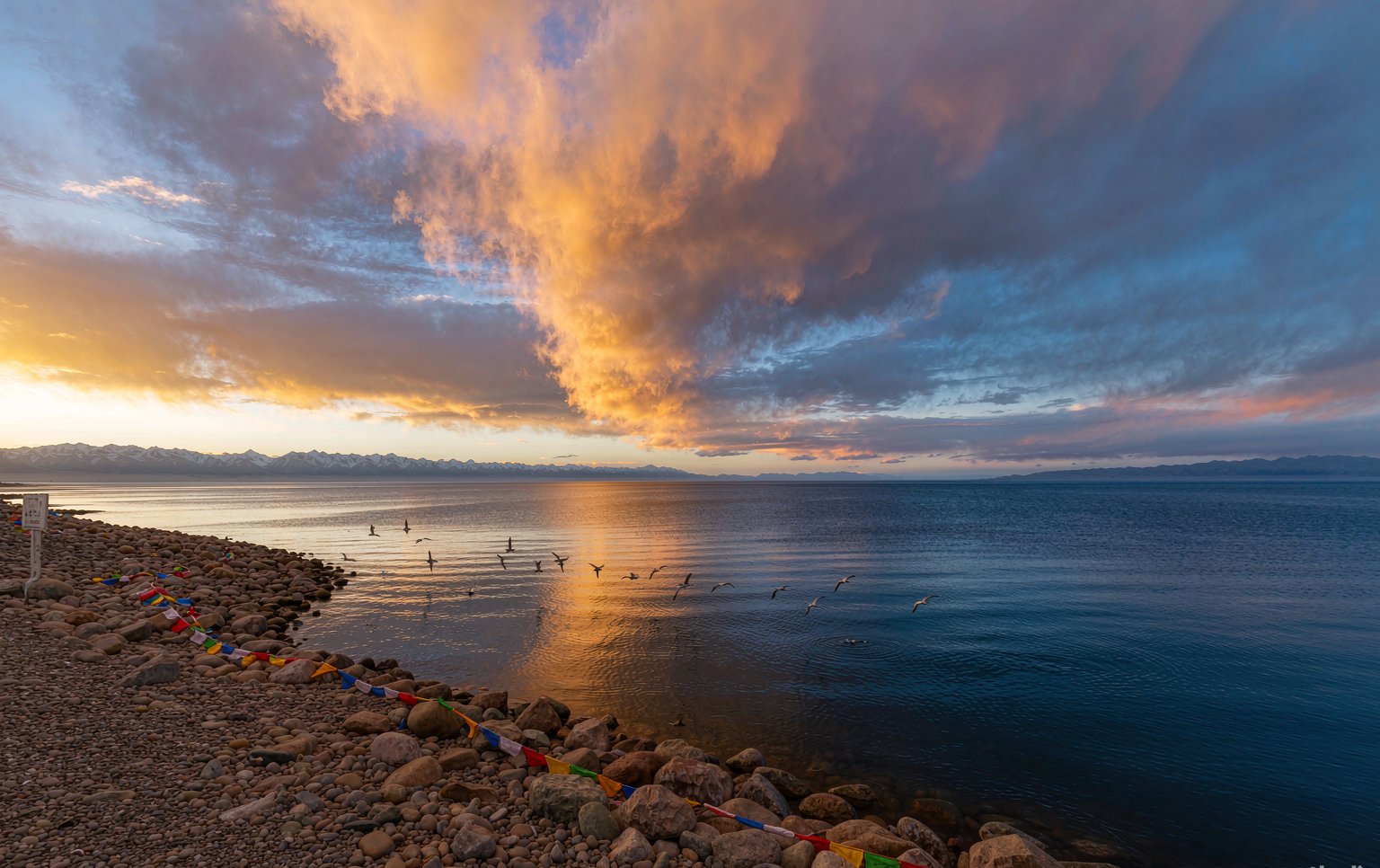
- Qinghai Lake: 3,196 m — the highest point of most itineraries.
- Qilian and the mountains: 2,800–4,000 m on some passes.
- Lanzhou and Dunhuang: below 1,600 m — comfortable.
The symptoms
Most people feel nothing more than breathlessness on stairs, a mild headache or waking up a little dry-mouthed. A small minority feel it properly — persistent headache, nausea, poor sleep. Symptoms usually settle within 24–48 hours as your body adapts.
How to prevent it
- Take the first day gently. We build a slow first day into every itinerary, with no long driving.
- Hydrate constantly. The plateau air is dry; drink more water than feels natural.
- Avoid alcohol and heavy meals for the first day or two.
- Sleep well the night before you fly.
- Do not push through a headache — rest and tell your guide.
What we carry
Every vehicle has a portable oxygen supply and a pulse oximeter. Our driver-guides watch for signs and will change the schedule without argument if anyone feels unwell. This is not a sales point — it is simply how a plateau trip should be run.
Who should take extra care
Travellers with serious heart or lung conditions, and very young children, should talk to a doctor first. For everyone else, altitude is a manageable part of the adventure, not a barrier. Read our Before You Go guide for the full checklist.
Planning a China trip?
Tell us your dates and group. We answer on WhatsApp within 24 hours, in English, Chinese or Malay.