Halal Food in Xining & Qinghai: What to Expect
Qinghai has one of China's largest Muslim communities. Here is how halal food, qingzhen restaurants and prayer stops actually work for Malaysian travellers.
Many travellers assume that finding halal food in China is difficult. In Qinghai it is the opposite. This province is home to one of China's largest Hui Muslim populations, and the halal kitchen culture here is centuries old and part of daily life. Here is what to expect.
The 清真 signboard
Look for the green 清真 (qingzhen, "pure and true") signboard above a restaurant door. It signals a halal kitchen: no pork, no non-halal meat, separate preparation. In Xining and along the Qinghai–Gansu loop these restaurants are everywhere, not a rarity.
A different certification system
One honest point: mainland China does not issue a JAKIM-style certification, and no restaurant can show one. What you get instead is a traditional, community-based halal culture. We map the specific restaurants we personally trust along every route, and our driver-guides know these kitchens by name.
What you will eat
- Hand-pulled noodles (lamian) — beef or mutton, freshly pulled to order.
- Lamb kebabs and grilled skewers — a Xining street-food staple.
- Niangpi and other cold noodles — a refreshing local classic.
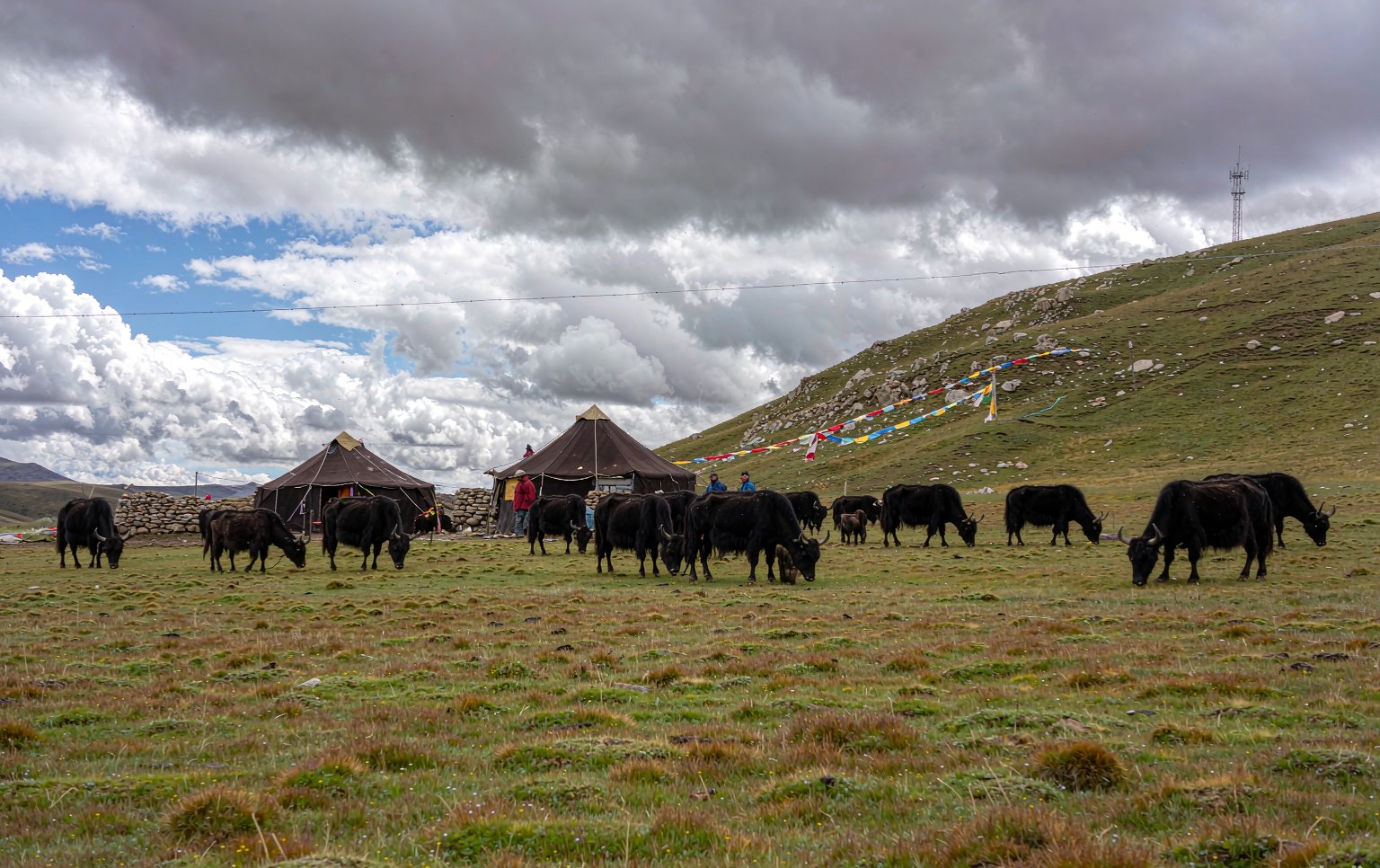
- Yak butter tea and milk tea choices across the plateau.
Prayer and daily practice
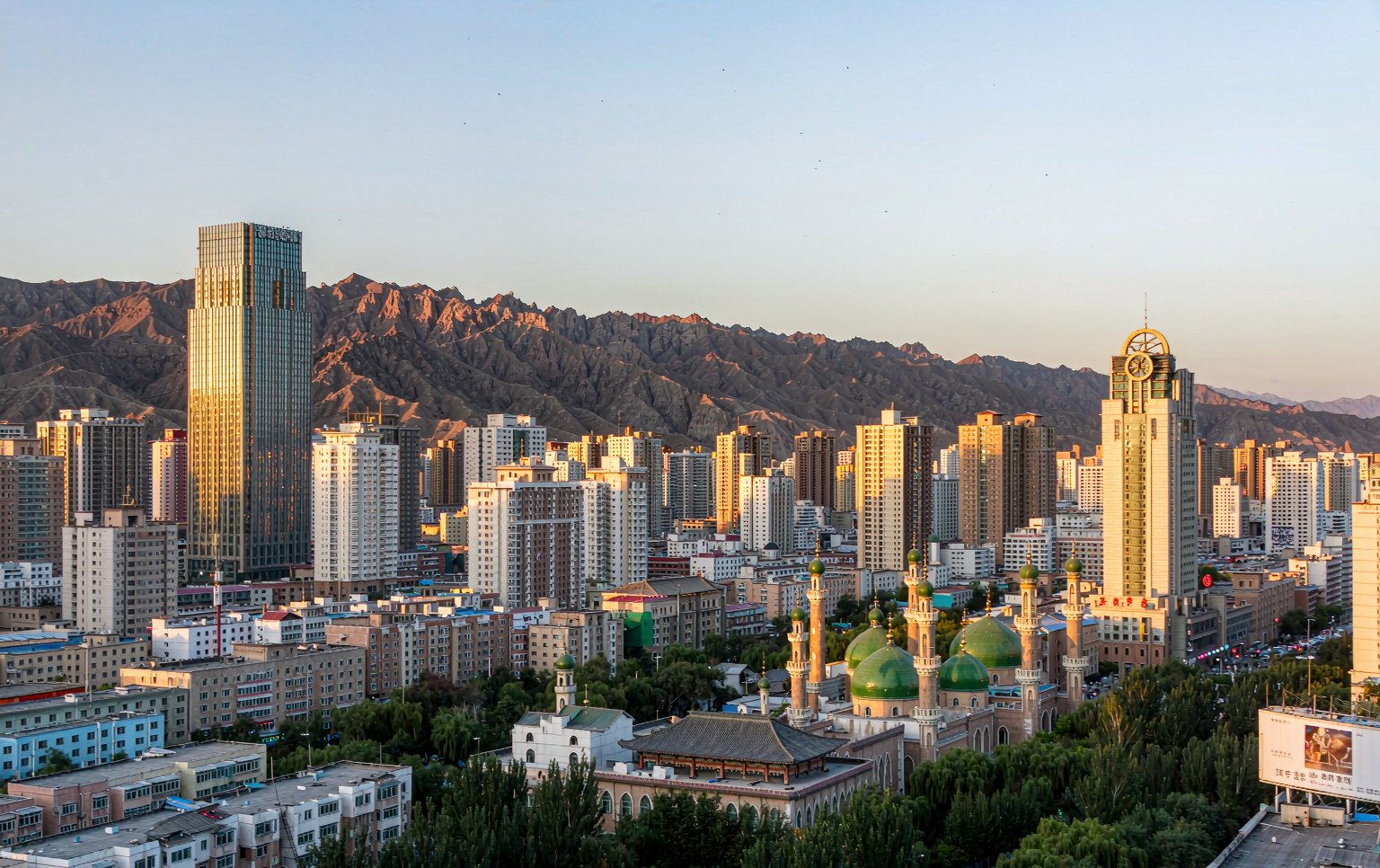
Xining has several large mosques, and the Dongguan Mosque is one of China's most famous. Along the Grand Loop we plan prayer stops into the driving schedule and can tell you the nearest mosque or quiet prayer space at each town.
How we handle it in your itinerary
We do not bolt halal on as an afterthought. Before you fly, our itinerary lists the named halal restaurants for each day. If a stretch of road has no halal option, we tell you in advance and pack accordingly. See our Malaysians to Qinghai page for the full guide, or ask us about a specific route.
Planning a China trip?
Tell us your dates and group. We answer on WhatsApp within 24 hours, in English, Chinese or Malay.